If you are an Australian food buyer looking for an Italian food wholesale supplier in Australia, you already know the demand is there. Over 1.1 million Australians claim Italian ancestry, and the influence of that diaspora has shaped how the entire country eats. Italian is not a niche category in Australian retail. It is a staple across supermarkets, independent grocers, and specialty food stores from Melbourne to Perth. The challenge is not convincing your customers to buy Italian products. It is finding a sourcing partner who can deliver the real thing, consistently, at a price that works for your margins.
Summarize this article with AI
Why the Australian Market Is Different
Australia's food import landscape has its own regulatory structure that separates it from the US, Canada, or the Middle East. Every food product entering Australia must pass through two layers of oversight: the Department of Agriculture, Fisheries and Forestry (DAFF) handles biosecurity at the border, while Food Standards Australia New Zealand (FSANZ) sets the safety and labeling standards every imported product must meet.
The practical tool that governs this process is the Imported Food Inspection Scheme (IFIS). Under IFIS, foods are classified as either "risk" or "surveillance" based on the likelihood they pose a public health concern. Cheese, for example, is classified as a risk food due to Listeria monocytogenes and gets referred for analytical testing at 100% of consignments initially. Dairy products face additional scrutiny based on whether the country of origin is recognized as free from foot-and-mouth disease and lumpy skin disease. Italy qualifies on both counts, which simplifies the pathway, but the paperwork and testing protocols still need to be handled correctly on every shipment.
For Australian buyers, this means your Italian supplier needs to understand FSANZ labeling requirements (including allergen declarations under Australian standards), DAFF biosecurity conditions, and the IFIS classification of every product in the shipment. Getting one of these wrong does not just delay your order. It can result in the entire consignment being held, tested, or destroyed at the border.
The Categories Australian Buyers Should Focus On
The Australian specialty food market reached USD 90.1 billion in food service alone in 2025 and continues to grow at over 4% annually. Within that, Italian products occupy a premium position that few other cuisines match. Here are the categories where Australian retailers and distributors see the strongest returns.
Cheese and dairy remain the highest-value Italian import category for Australia. Parmigiano Reggiano, Grana Padano, pecorino, and fresh mozzarella are consistent performers in both retail and hospitality. All-Food works with three dedicated cheese producers for this market: Berneri Formaggi, Italiana Formaggi, and Defendi, each covering different segments from aged hard cheeses to fresh and semi-soft varieties.
Extra-virgin olive oil from Tuscany and southern Italy continues to command shelf space in Australian grocery. Single-origin and estate-bottled oils are particularly strong in independent and specialty retail. All-Food's producer Morettini, based in Tuscany, produces cold-pressed extra-virgin olive oil with full traceability from grove to bottle, which is exactly what Australian buyers with premium positioning need.
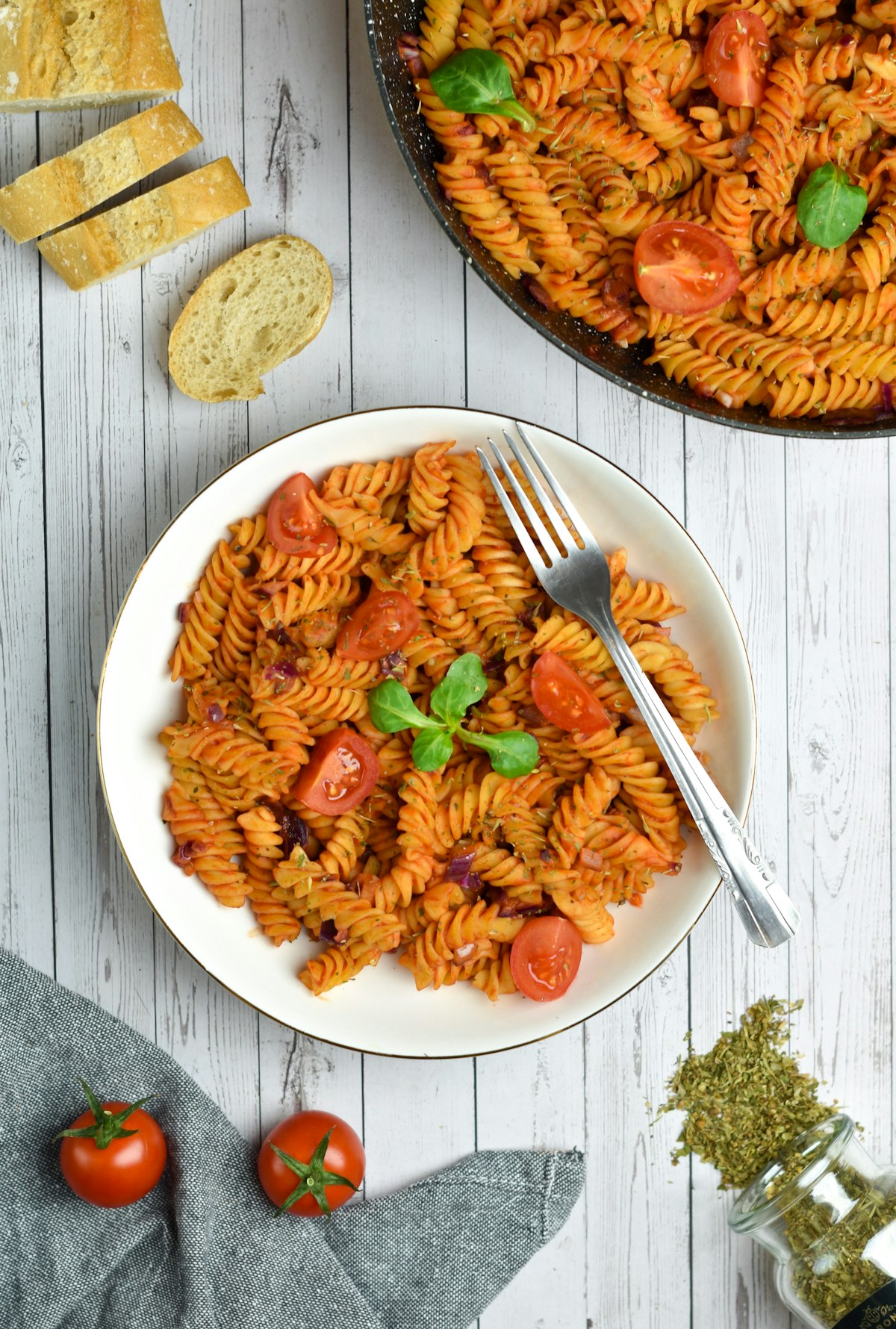
Pasta and grains are foundational. Artisan dry pasta, semolina, and specialty grains from Puglia and Sicily move steadily through both grocery and food service channels. Preserved foods, including jarred vegetables, sun-dried tomatoes, pesto, and artichoke hearts from Citres and Delizie di Calabria, fill the pantry section that Australian consumers increasingly stock with imported Italian staples.
Beverages represent a growing opportunity that many Australian importers have not fully explored. Molecola and Polara produce Italian soft drinks and specialty beverages that fit the premium non-alcoholic category, which is expanding rapidly in Australian retail.
The Sea Freight Reality
Australia's distance from Italy is a logistics factor that cannot be ignored. Ocean freight from Italian ports to Sydney or Melbourne typically takes 30 to 40 days, longer than the 20 to 30 days for US East Coast destinations. For shelf-stable products like pasta, olive oil, preserves, and beverages, this is straightforward. For cheese and dairy, it requires careful cold-chain management from the producer's warehouse in Italy all the way to the Australian port.
This is where working with a single sourcing office in Italy becomes a significant advantage over trying to source directly from five or six individual producers. Each producer has its own production schedule, minimum order quantities, and export documentation. Coordinating these independently from Australia means managing multiple relationships across a nine-hour time zone difference, in a language that may not be your team's first.
A dedicated export office consolidates all of that. Orders from multiple producers are grouped into single container loads, quality checks happen before the container is sealed in Italy, and all export documentation, including DAFF biosecurity declarations and FSANZ-compliant labeling verification, is handled before the shipment leaves port.
Western Australia and Regional Growth
Most Italian food distribution in Australia has historically concentrated around Melbourne and Sydney, where the Italian-origin communities are largest. But there is a real and underserved opportunity in Western Australia, South Australia, and Queensland. Population growth in Perth and Brisbane, combined with expanding specialty retail and food service channels, means buyers in these regions are actively looking for reliable Italian food suppliers who can serve smaller but growing markets.
For distributors covering regional Australia, the key is having a supplier who can consolidate a diverse product range into a single shipment. A container that includes cheese, olive oil, pasta, preserves, and beverages from one source in Italy is far more economical than placing separate minimum orders with individual producers.
Working with All-Food
All-Food is a dedicated Italian export office based in Tuscany that works directly with a curated network of Italian food producers across cheese, olive oil, pasta, cured meats, preserved foods, sweets, and beverages. We manage the full sourcing process for Australian importers, distributors, and retail buyers, from product selection and FSANZ compliance verification to consolidated container logistics. If you are building or expanding an Italian food range for the Australian market, request access to our product catalog to see the full portfolio and pricing.