Understanding FDA Requirements for Italian Food Imports
Any food product entering the United States must comply with FDA regulations, including the Food Safety Modernization Act (FSMA). For Italian food imports, suppliers must be registered with the FDA, and importers are responsible for verifying that their foreign suppliers meet US food safety standards - a process known as the Foreign Supplier Verification Program (FSVP).
In practice, this means you need suppliers who already understand US market requirements: labeling in English, accurate ingredient declarations, allergen compliance, and proper documentation for customs clearance. Working with an experienced sourcing office in Italy - one that has already vetted its producer network for export readiness - removes most of this burden from the buyer.
Summarize this article with AI
The Difference Between Authentic and "Italian-Style" Products
Not everything labeled "Italian" in the US actually comes from Italy. "Italian-style" pasta, cheese, and olive oil are often produced domestically or in other countries to lower costs.
Authentic Italian products carry protected designations: DOP (Denominazione di Origine Protetta) and IGP (Indicazione Geografica Protetta) are EU certifications that guarantee origin and production method. Products like Parmigiano Reggiano DOP, Prosciutto di Parma DOP, and Sicilian extra-virgin olive oil carry these labels - and command a price premium that buyers in specialty retail and upscale foodservice can pass on to their customers.
The Categories Most in Demand for US Buyers
Based on current retail and foodservice trends in the US, the highest-demand Italian food categories for importers are:
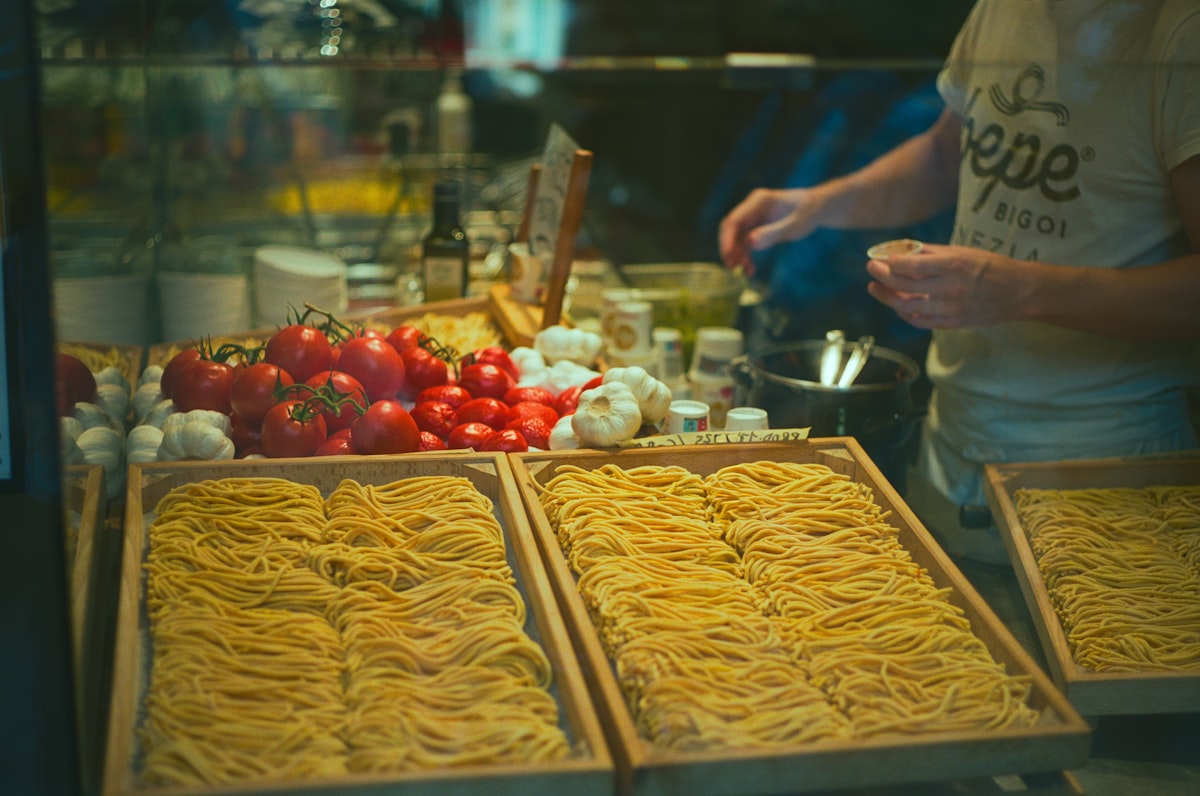
- Artisan pasta and grains from Puglia and Sicily
- Extra-virgin olive oil from Tuscany, Sicily, and Puglia
- Regional cheeses including Parmigiano, Pecorino, and fresh varieties
- Cured meats including prosciutto, salami, and regional salumi
- Preserved pantry foods including jarred vegetables, pesto, and specialty sauces
- Artisan sweets and pastry including panforte and regional confections
The Logistics Reality
Importing food from Italy to the US involves ocean freight (typically 20–30 days from Italian ports to the US East Coast), customs clearance, FDA prior notice filing, and temperature-controlled storage for certain products.
Minimum order quantities from individual Italian producers are often high - making it challenging for smaller importers to build a diverse portfolio by sourcing direct. This is why many US buyers work with a dedicated Italian export office that consolidates orders from multiple producers, handles quality control before shipment, and manages export documentation.
What to Look for in an Italian Sourcing Partner
If you are evaluating Italian food sourcing partners, ask: Do they work directly with producers? Do they perform quality checks before shipment? Do they understand FDA compliance, English labeling, and US pack formats? Can they handle a diverse portfolio across multiple categories?
Working with All-Food
All-Food is a dedicated Italian export office based in Tuscany, working directly with a curated network of Italian food producers across pasta, olive oil, cheese, cured meats, preserved foods, and beverages. We manage the full sourcing process - from product selection and quality verification to export logistics - for importers, distributors, and retail buyers in the USA, Canada, Australia, and the Middle East. Get in touch with our team to discuss your product needs.